
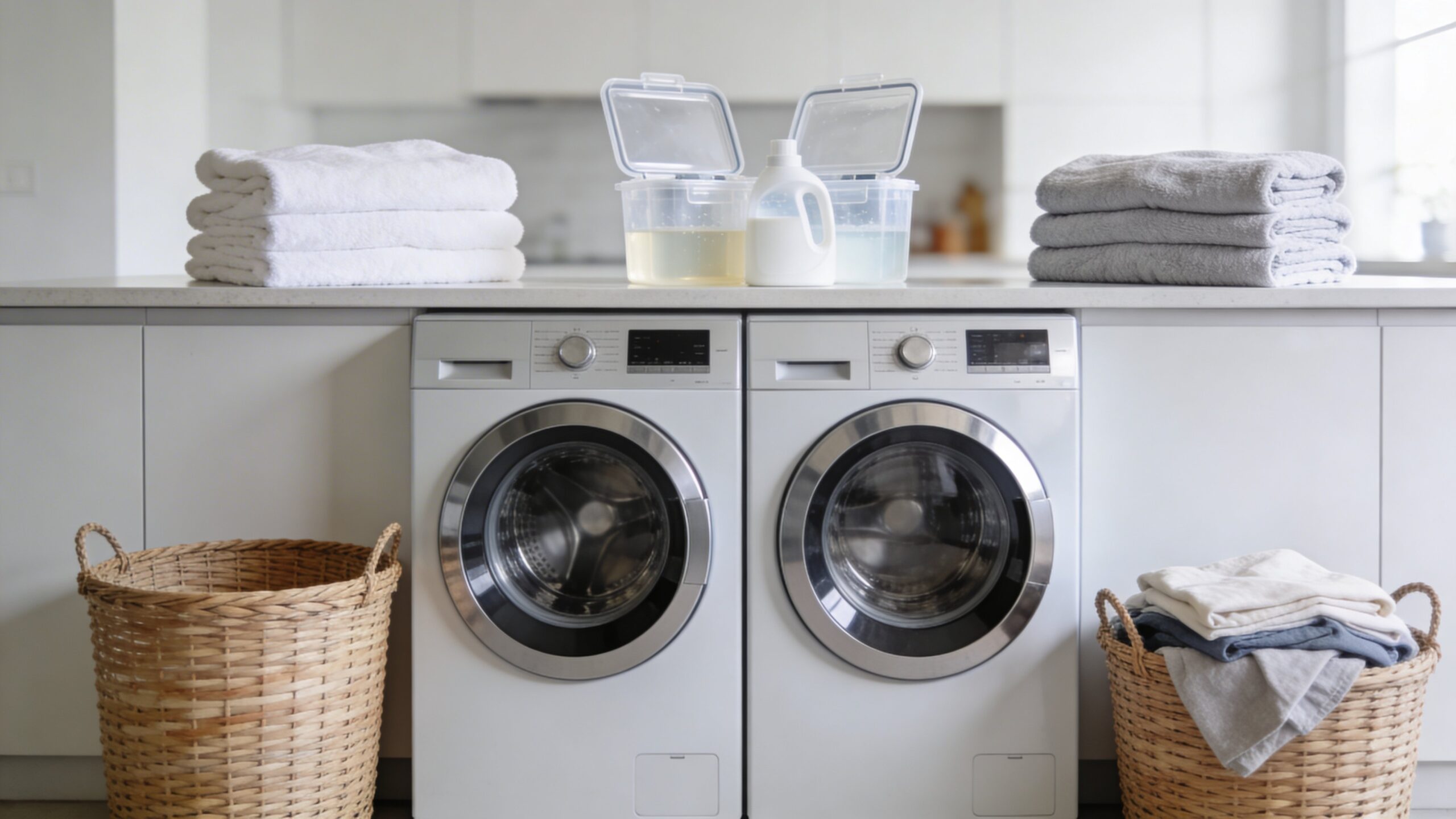
Laundry might seem simple—wash, dry, fold, repeat—but behind every cycle is a language of settings, fabrics, detergents, and techniques that shape how your clothes are cleaned and cared for. Welcome to Laundry Terms & Definitions, your guide to understanding the vocabulary of the modern laundry room. From the meaning of spin speeds and soil levels to the science behind detergents and fabric care symbols, these articles break down the terminology that powers every load of laundry. At Laundry Room Street, we believe that understanding the language of laundry makes everyday chores smarter, faster, and more effective. Knowing what “cold wash,” “permanent press,” or “high-efficiency detergent” actually means can help protect fabrics, save energy, and extend the life of your clothes. Even small details—like understanding rinse cycles, fabric softeners, or drying sensors—can make a big difference in how fresh and long-lasting your laundry feels. Whether you’re new to doing laundry or simply curious about what all those settings and labels really mean, this hub gathers clear explanations and helpful insights to help you master the everyday science of clean.
A: Low-sudsing detergent designed for high-efficiency, low-water machines.
A: Often overdosing detergent, hard water, or not enough rinsing.
A: It’s machine-dependent; “hot” is higher and better for whites, “warm” is gentler for colors.
A: Lower heat setting to reduce shrink risk and protect synthetics.
A: Moisture + residue; leave door ajar, clean gasket, run tub-clean cycles.
A: Usually time, agitation pattern, and sometimes water use/rinse intensity.
A: For sensitive skin, heavy detergent loads, or bulky items that trap suds.
A: Too much detergent, non-HE detergent in HE machines, or soft water + overdosing.
A: Buildup from softener/detergent; try hotter washes and thorough rinsing.
A: Don’t overdry, remove promptly, use lower heat, and consider steam/refresh cycles.