
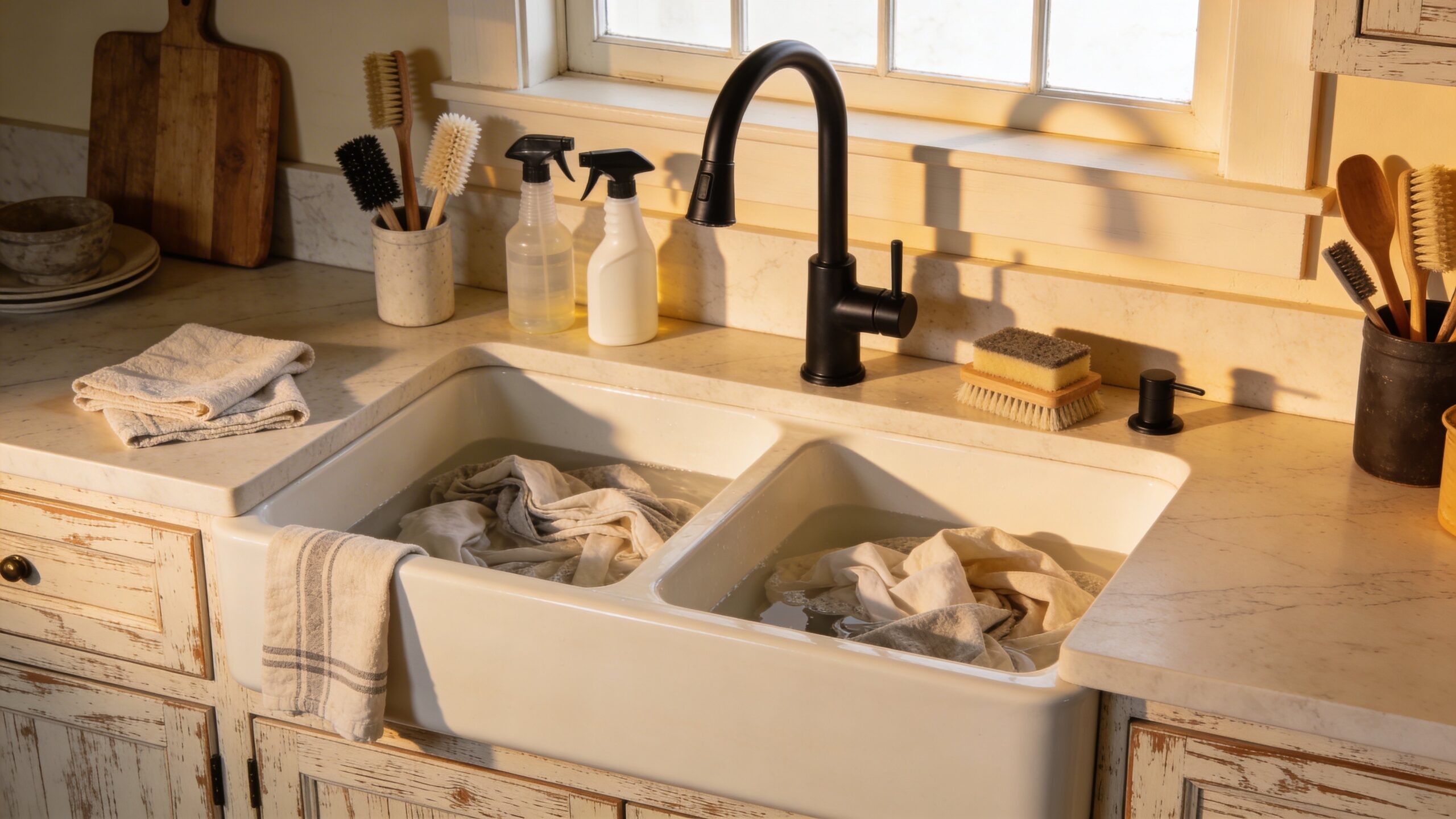
Behind every efficient laundry room is a hardworking hub where mess meets muscle: the utility sink and its surrounding work zone. On Laundry Room Street, this is where real-life spills, scrubs, soaks, and sorting sessions happen. From deep-basin tubs built to handle muddy cleats and paint-stained brushes to thoughtfully designed folding counters and storage walls, utility sinks transform laundry rooms into full-scale clean-up command centers. A well-designed work zone does more than rinse and drain. It supports handwashing delicates, pre-treating stains, bathing pets, filling mop buckets, and tackling projects that never belong in a kitchen sink. With the right faucet height, splash guards, drainage setup, and durable materials, this space becomes one of the most versatile square footage investments in your home. In this section, you’ll explore sink styles, plumbing basics, cabinet configurations, ergonomic layouts, and pro-level upgrades that make laundry rooms smarter and stronger. Whether you’re renovating from scratch or upgrading a basic basin, these guides help you design a utility sink area that works as hard as you do.
A: 12–16 inches deep is typical for soaking and large items.
A: Yes, for versatile cleaning and stain removal.
A: Yes, with proper drainage and insulation.
A: Stainless steel or high-quality composite.
A: Proper venting ensures smooth drainage.
A: Recommended for overflow protection.
A: Possibly, but check local plumbing codes.
A: High-arc with pull-down sprayer for flexibility.
A: Not required, but helpful for storage.
A: Install splash guards and control water pressure.