
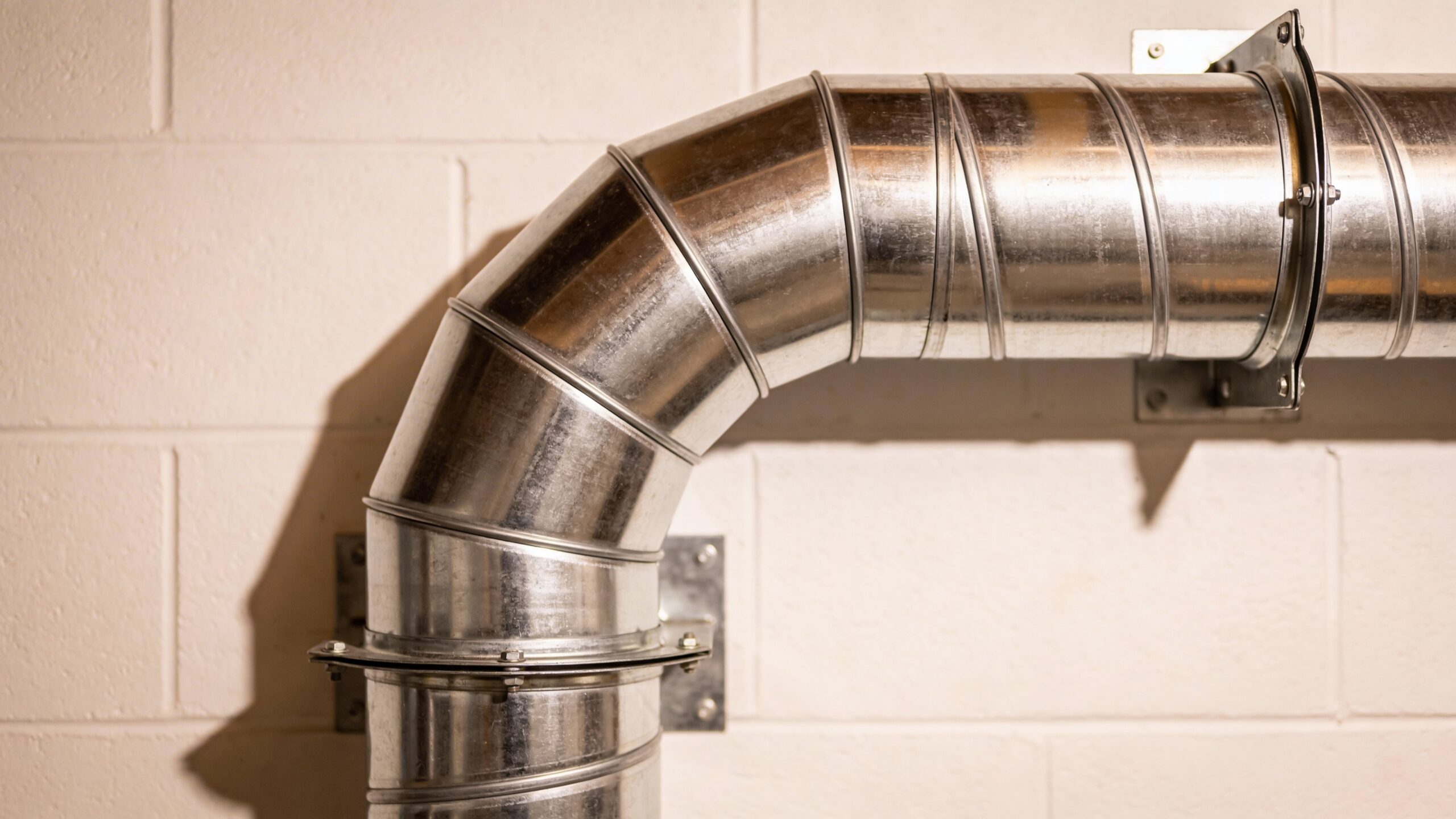
Behind every fresh, efficient laundry room is something you rarely see but always feel—smart airflow. Venting & Airflow Solutions is where performance meets protection, turning heat, humidity, and lint into a controlled, efficient system that keeps your machines running smoother and your home safer. From dryer duct design and booster fans to make-up air strategies and moisture control, airflow is the hidden force that determines drying times, energy bills, and long-term appliance health. On Laundry Room Street, this hub gathers the guides, comparisons, and deep dives that help you understand how air moves, why duct length matters, when to choose rigid over flexible venting, and how to prevent costly clogs. Whether you’re upgrading to a high-efficiency dryer, remodeling a compact laundry closet, or troubleshooting slow dry cycles, airflow is the difference between frustration and flawless performance. Explore smarter vent paths, safer terminations, and code-conscious installations that transform your laundry space into a clean, efficient, and confidently engineered environment.
A: At least once per year, more for heavy use.
A: It’s not recommended due to fire risk and airflow restriction.
A: Likely restricted airflow or excessive duct length.
A: Follow manufacturer and local code guidelines.
A: No, they recirculate air internally.
A: Yes, longer cycles consume more power.
A: Slight downward slope toward exterior helps moisture drain.
A: It supports airflow in long duct runs.
A: Generally no—it increases moisture and lint indoors.
A: Look for overheating, long cycles, or a weak exterior exhaust flow.