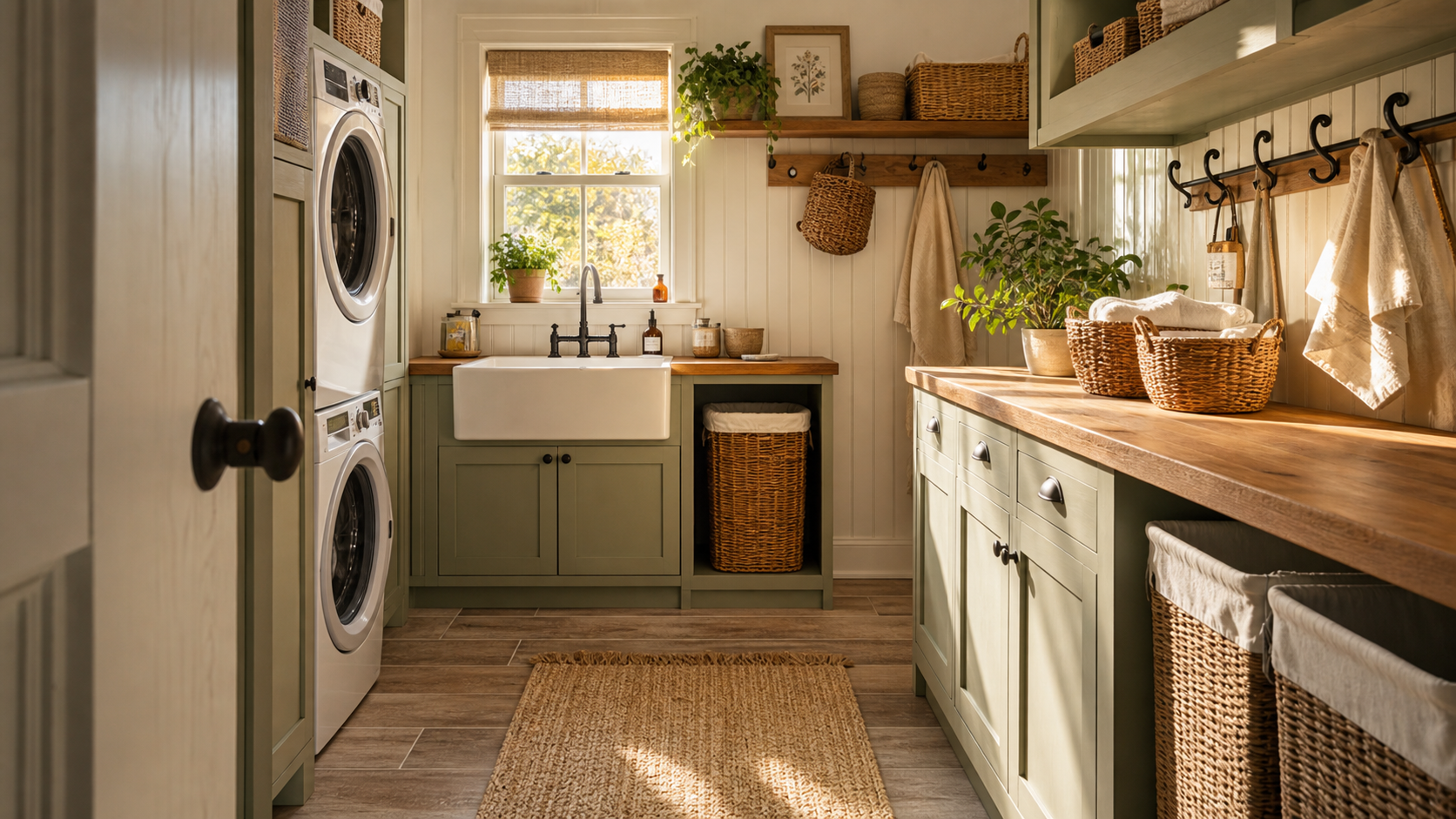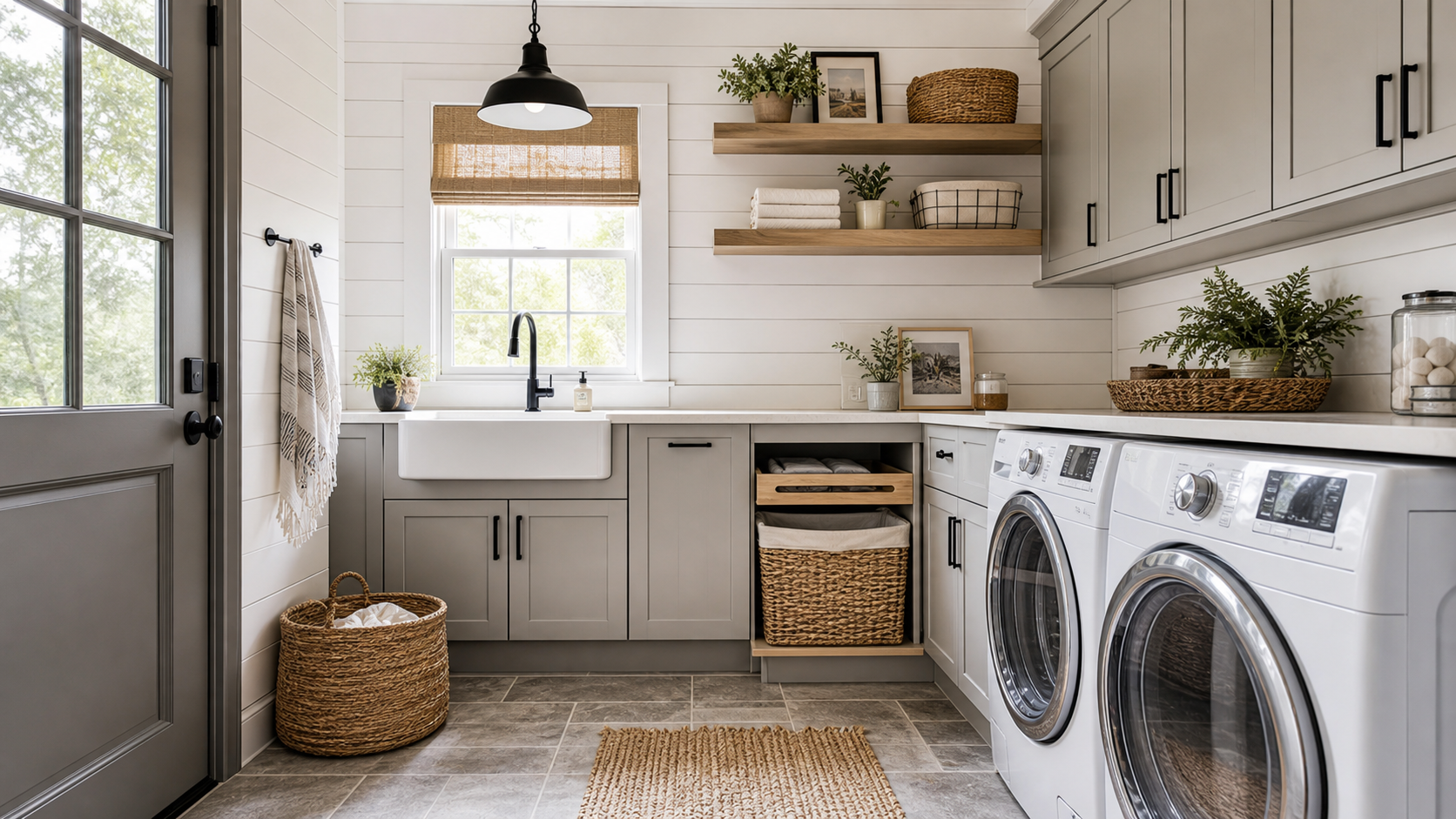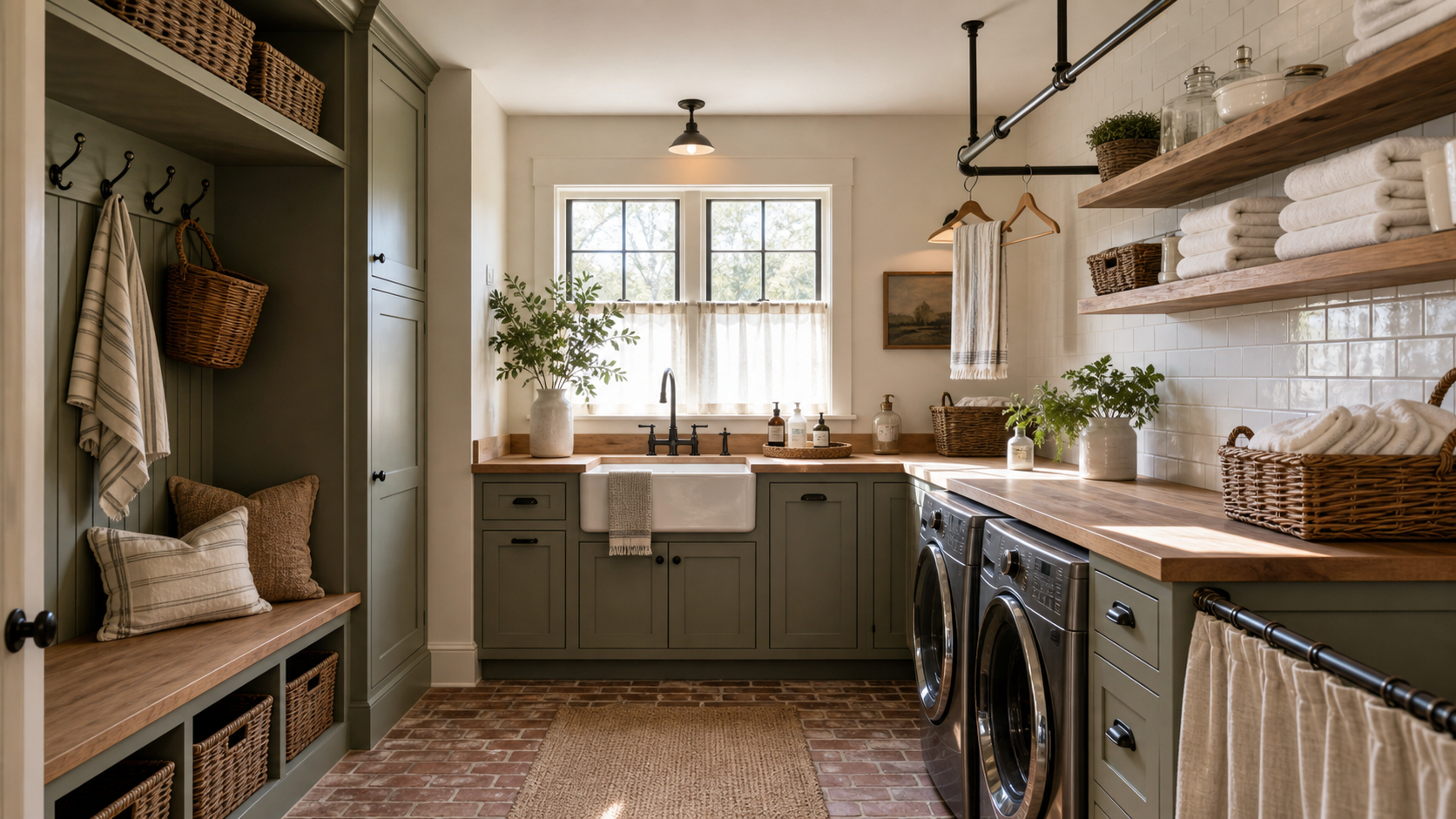
Why Farmhouse Style Is Perfect for Laundry Rooms
Few interior design styles have demonstrated the staying power and universal appeal of farmhouse design. Rooted in practicality, comfort, and timeless charm, the farmhouse aesthetic continues to influence homes across the country. While the style first gained popularity through kitchens, living spaces, and dining rooms, it has become equally beloved in laundry room design. This growing popularity is not simply a matter of appearance. Farmhouse design naturally aligns with the purpose of a laundry room because both prioritize functionality, durability, and everyday comfort. Together, they create spaces that are not only beautiful but also highly practical.
The modern laundry room has evolved far beyond its traditional role as a purely utilitarian area. Today, it often functions as a mudroom, household organization center, storage space, pet-care station, and secondary entrance to the home. Because of these expanded responsibilities, homeowners are looking for ways to make laundry rooms feel more inviting and connected to the overall design of the house. Farmhouse style provides the perfect solution by blending rustic warmth with practical features that support daily life.
A farmhouse laundry room is about more than decorative signs and distressed wood accents. At its core, the style celebrates craftsmanship, simplicity, and purposeful design. Natural materials, welcoming color palettes, efficient storage solutions, and timeless architectural details come together to create a room that feels both hardworking and beautiful. Whether renovating a large dedicated laundry room or updating a compact laundry nook, farmhouse design offers endless opportunities to enhance both style and functionality.
A: Farmhouse style often includes warm neutrals, shaker cabinets, wood accents, apron sinks, baskets, simple tile, and classic hardware.
A: Warm white, cream, greige, soft gray, sage green, black accents, brass, bronze, and natural wood tones work well.
A: Yes, when they hold baskets, jars, folded towels, or everyday items that stay neat and easy to reach.
A: Black hardware is popular because it adds definition and a modern farmhouse edge.
A: Yes, if you want a deep sink for soaking, rinsing, handwashing, pet cleanup, or household chores.
A: Patterned tile, brick-look tile, stone-look tile, waterproof luxury vinyl, and wood-look flooring are strong options.
A: Yes, use light colors, vertical storage, simple hardware, and just a few farmhouse details.
A: Balance wood, baskets, and vintage touches with clean cabinets, simple lighting, smooth counters, and a restrained palette.
A: Lantern-style fixtures, simple sconces, matte black lights, brass lights, and clean-lined pendants work well.
A: Adding too many rustic details while forgetting storage, lighting, moisture resistance, clearances, and workflow.
Understanding the Foundations of Farmhouse Design
Before selecting paint colors, flooring materials, or cabinet styles, it is important to understand what truly defines farmhouse design. While the style has evolved over the years, its fundamental principles remain rooted in practicality and comfort. Traditional farmhouses were designed to support daily work and family life, which meant every feature needed to serve a useful purpose. This philosophy continues to influence modern farmhouse interiors today.
One of the defining characteristics of farmhouse design is authenticity. Natural materials such as wood, stone, metal, and ceramic are favored because they create a sense of warmth and connection to the past. Rather than hiding imperfections, farmhouse design often celebrates them. Wood grain, handcrafted details, and subtle signs of wear contribute character and depth to the space.
Another essential element is simplicity. Farmhouse rooms tend to avoid excessive ornamentation in favor of clean lines and functional features. This simplicity creates a relaxed atmosphere that feels welcoming rather than formal. In a laundry room, this translates into practical layouts, efficient storage, and thoughtful organization.
Comfort also plays a central role. Farmhouse interiors are designed to feel lived-in and approachable. Soft textures, warm color palettes, and inviting materials create spaces that encourage people to spend time there. When applied to a laundry room, these principles transform routine household chores into a more pleasant and enjoyable experience.
Creating a Functional Farmhouse Layout
A beautiful laundry room is only successful if it works efficiently. Farmhouse design places strong emphasis on practicality, making layout planning one of the most important aspects of the design process. Every square foot should support the room’s daily functions while contributing to a sense of order and ease.
The first consideration is appliance placement. Washers and dryers should be positioned to create a natural workflow that minimizes unnecessary movement. Side-by-side appliances often allow space for countertops above, providing convenient areas for folding clothes and sorting laundry. In smaller rooms, stacked appliances can free valuable floor space for storage and work surfaces.
Dedicated work zones help improve organization and efficiency. A farmhouse laundry room may include separate areas for washing, drying, folding, and storage. Grouping related activities together simplifies daily routines and reduces clutter. Supplies should be stored near the appliances where they are used most frequently, while folding stations should be located adjacent to the dryer.
Traffic flow is equally important. The room should feel open and easy to navigate, even when multiple household tasks are taking place simultaneously. Farmhouse design emphasizes comfort and usability, so avoiding cramped layouts and overcrowded storage solutions is essential for achieving a successful result.
Choosing the Perfect Farmhouse Color Palette
Color plays a powerful role in establishing the atmosphere of a farmhouse laundry room. The most successful farmhouse color palettes create bright, welcoming environments that feel clean, comfortable, and timeless. While modern farmhouse design has expanded beyond traditional white interiors, light and neutral colors remain at the heart of the style.
White is perhaps the most iconic farmhouse color. White walls and cabinetry create a fresh, airy backdrop that reflects light beautifully and makes the room feel larger. This brightness is particularly valuable in laundry rooms, which often lack large windows or abundant natural light. White also reinforces the sense of cleanliness that naturally aligns with the room’s purpose.
Soft neutral tones such as cream, ivory, beige, and greige offer a warmer alternative while maintaining the same sense of openness. These colors create inviting environments that feel comfortable rather than stark. Their versatility allows them to pair seamlessly with natural wood finishes and metal accents.
Muted colors inspired by nature have also become increasingly popular in farmhouse interiors. Sage green, dusty blue, soft charcoal, and warm clay tones add personality while preserving the relaxed atmosphere that defines the style. These shades work particularly well on cabinetry, accent walls, and decorative details.
Farmhouse Cabinetry That Combines Style and Storage
Cabinetry serves as one of the most important design elements in a farmhouse laundry room because it influences both functionality and visual appeal. The right cabinets provide essential storage while helping establish the room’s overall character.
Shaker-style cabinetry remains one of the most popular choices for farmhouse interiors. Its simple frame-and-panel construction embodies the balance between practicality and elegance that defines the style. Shaker cabinets feel timeless, making them suitable for both traditional farmhouse homes and modern interpretations of the aesthetic.
Storage should be carefully planned to support the room’s daily needs. Tall cabinets provide space for cleaning supplies, seasonal items, and household essentials. Upper cabinets help keep countertops clear, while lower drawers can accommodate laundry baskets, ironing supplies, and frequently used products.
The finish of the cabinetry also contributes to the overall design. Painted cabinets in white, soft gray, sage green, or warm beige create a bright and welcoming appearance. Natural wood finishes can introduce warmth and texture while reinforcing the room’s farmhouse roots. Together, these elements create cabinetry that is both beautiful and highly functional.
Incorporating Natural Wood Elements
No farmhouse laundry room would feel complete without the presence of natural wood. Wood introduces warmth, texture, and authenticity that help distinguish farmhouse interiors from more contemporary styles. It serves as a visual anchor while creating a sense of connection to traditional craftsmanship.
Open shelving is one of the most effective ways to incorporate wood into the laundry room. Reclaimed wood shelves add character while providing practical storage for baskets, folded towels, and decorative accessories. Their natural grain patterns and subtle imperfections contribute depth and visual interest.
Wood countertops offer another opportunity to enhance the farmhouse aesthetic. Butcher block surfaces provide durable work areas for folding laundry while adding warmth to the room. Their natural appearance contrasts beautifully with painted cabinetry and metal hardware, creating the layered look that farmhouse design is known for.
Even smaller wood accents can have a significant impact. Wooden benches, framed mirrors, drying racks, and decorative accessories help reinforce the farmhouse theme while contributing to the room’s overall sense of comfort and authenticity.
The Beauty of Open Shelving and Decorative Storage
Farmhouse design embraces practical storage solutions that also contribute to the room’s visual appeal. Open shelving and decorative storage elements create opportunities to display everyday essentials in an attractive and organized manner.
Woven baskets are among the most iconic farmhouse storage accessories. They provide concealed storage while introducing natural texture and warmth. Baskets can be used to organize detergents, dryer sheets, cleaning cloths, and miscellaneous household items without creating visual clutter.
Glass jars and containers offer another attractive storage solution. Filled with laundry pods, clothespins, or other supplies, they create a clean and organized appearance while keeping necessities easily accessible. Their transparency adds visual interest while supporting functionality.
The key to successful farmhouse storage is balance. Shelves should feel curated rather than crowded. A few carefully selected decorative elements combined with practical storage solutions create an inviting atmosphere that remains organized and efficient.
Farmhouse Sinks and Utility Features
The utility sink is one of the most practical features in a laundry room, but it can also become one of the room’s most distinctive design elements. Farmhouse sinks are particularly popular because they combine functionality with unmistakable visual appeal.
Apron-front sinks have become synonymous with farmhouse design. Their exposed front panels create a classic appearance that instantly adds character to the room. These sinks are also highly functional, offering generous capacity for hand-washing garments, treating stains, and cleaning household items.
Modern farmhouse sinks are available in a variety of materials, including fireclay, stainless steel, and composite stone. Each offers unique benefits while maintaining the sink’s iconic appearance. The choice often depends on the homeowner’s preferences regarding maintenance, durability, and overall style.
Pairing the sink with a thoughtfully selected faucet further enhances the design. Bridge faucets, industrial-inspired fixtures, and matte black finishes all complement farmhouse interiors while providing practical performance for daily use.
Lighting That Brings Warmth and Character
Lighting plays a critical role in farmhouse laundry room design because it influences both functionality and atmosphere. The right fixtures provide essential illumination while reinforcing the room’s overall style.
Pendant lighting is a favorite farmhouse choice. Metal shades, glass globes, and vintage-inspired fixtures create focal points while delivering targeted illumination over work areas. Their blend of rustic and industrial influences aligns perfectly with the farmhouse aesthetic.
Wall sconces offer another attractive option. Installed above sinks, countertops, or decorative features, they add both character and practicality. Black metal finishes, aged brass details, and classic silhouettes contribute warmth and visual interest.
Natural light should be maximized whenever possible. Large windows help create bright, cheerful environments that enhance the room’s color palette and materials. Combined with thoughtfully selected fixtures, natural light establishes the welcoming atmosphere that makes farmhouse interiors so appealing.
Flooring Choices That Complete the Farmhouse Look
Laundry room flooring must withstand heavy use, moisture, and frequent cleaning, making durability a top priority. Fortunately, many flooring options that align with farmhouse design also perform exceptionally well in practical applications.
Wood-look tile has become one of the most popular choices because it combines the appearance of hardwood with the durability of porcelain. It introduces warmth and texture while resisting water and wear. Available in a variety of tones and finishes, wood-look tile complements virtually any farmhouse color palette.
Patterned tile floors provide another attractive option. Vintage-inspired designs add personality and visual interest while reinforcing the room’s farmhouse character. These floors often become statement features that elevate the entire space.
Neutral flooring materials such as stone-look porcelain tile and textured ceramic surfaces create versatile foundations that allow other design elements to shine. Their understated appearance contributes to the room’s timeless appeal while ensuring long-term durability.
Personalizing Your Farmhouse Laundry Room
One of the greatest strengths of farmhouse design is its flexibility. While certain elements remain consistent, there is ample opportunity for personalization. The most memorable farmhouse laundry rooms reflect the homeowner’s personality while maintaining the style’s core principles.
Artwork, framed family photographs, vintage finds, and meaningful decorative objects can all contribute character. The goal is not to fill the room with decorations but to incorporate a few carefully chosen pieces that create a sense of home.
Textiles also offer opportunities for customization. Patterned rugs, linen curtains, and decorative pillows on built-in benches add softness and warmth while supporting the room’s overall design. These elements help make the laundry room feel less like a utility space and more like a natural extension of the home.
Ultimately, personalization should enhance rather than overwhelm the room. Farmhouse design thrives on authenticity, so incorporating meaningful details creates spaces that feel genuine and inviting.
Conclusion: Designing a Farmhouse Laundry Room That Lasts
A farmhouse laundry room is more than a collection of design elements. It is a carefully crafted environment that combines beauty, functionality, and comfort in a way that supports everyday life. Through thoughtful layouts, natural materials, timeless color palettes, and practical storage solutions, homeowners can create spaces that feel both hardworking and welcoming.
The enduring appeal of farmhouse design lies in its ability to balance tradition with modern convenience. It celebrates craftsmanship, simplicity, and purposeful living while adapting effortlessly to contemporary lifestyles. Whether designing a large dedicated laundry room or a compact utility area, farmhouse principles provide a roadmap for creating spaces that are both stylish and highly functional.
As homes continue to evolve, the laundry room remains one of the most important spaces for blending practicality with personal expression. By embracing farmhouse design, homeowners can transform this essential room into a place that supports daily routines while contributing to the warmth and character of the entire home. The result is a timeless space that feels inviting, organized, and ready to serve for years to come.