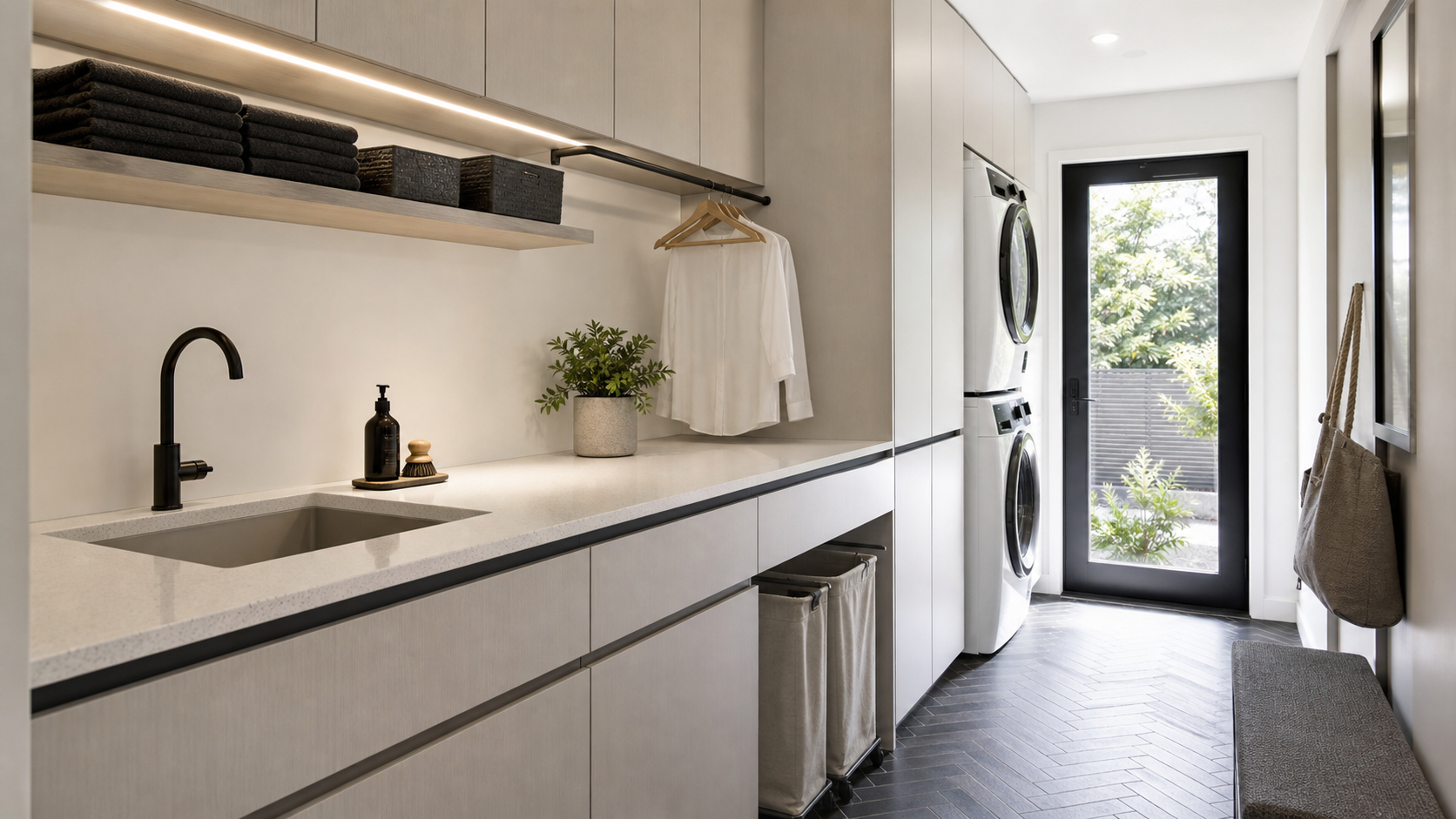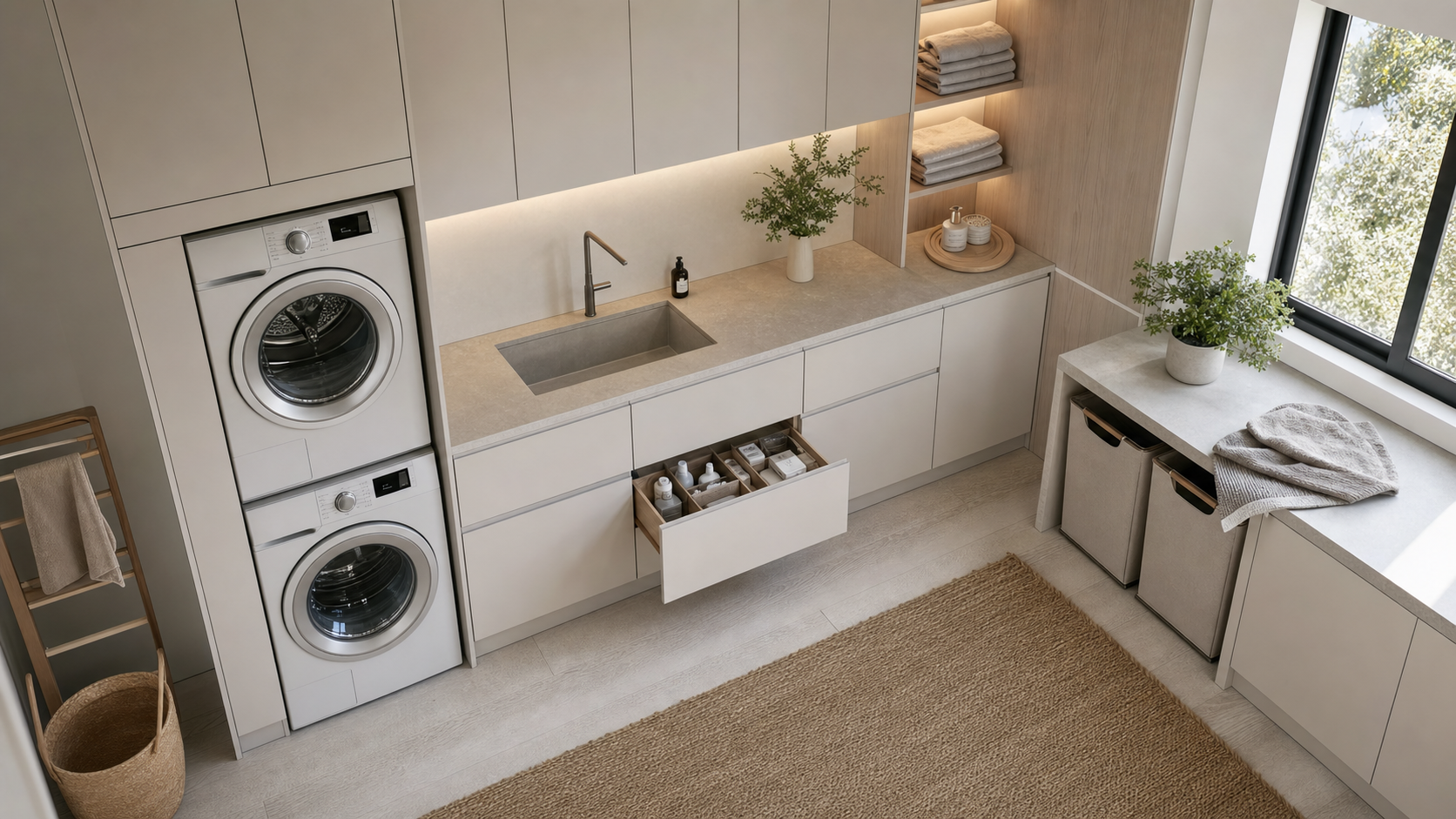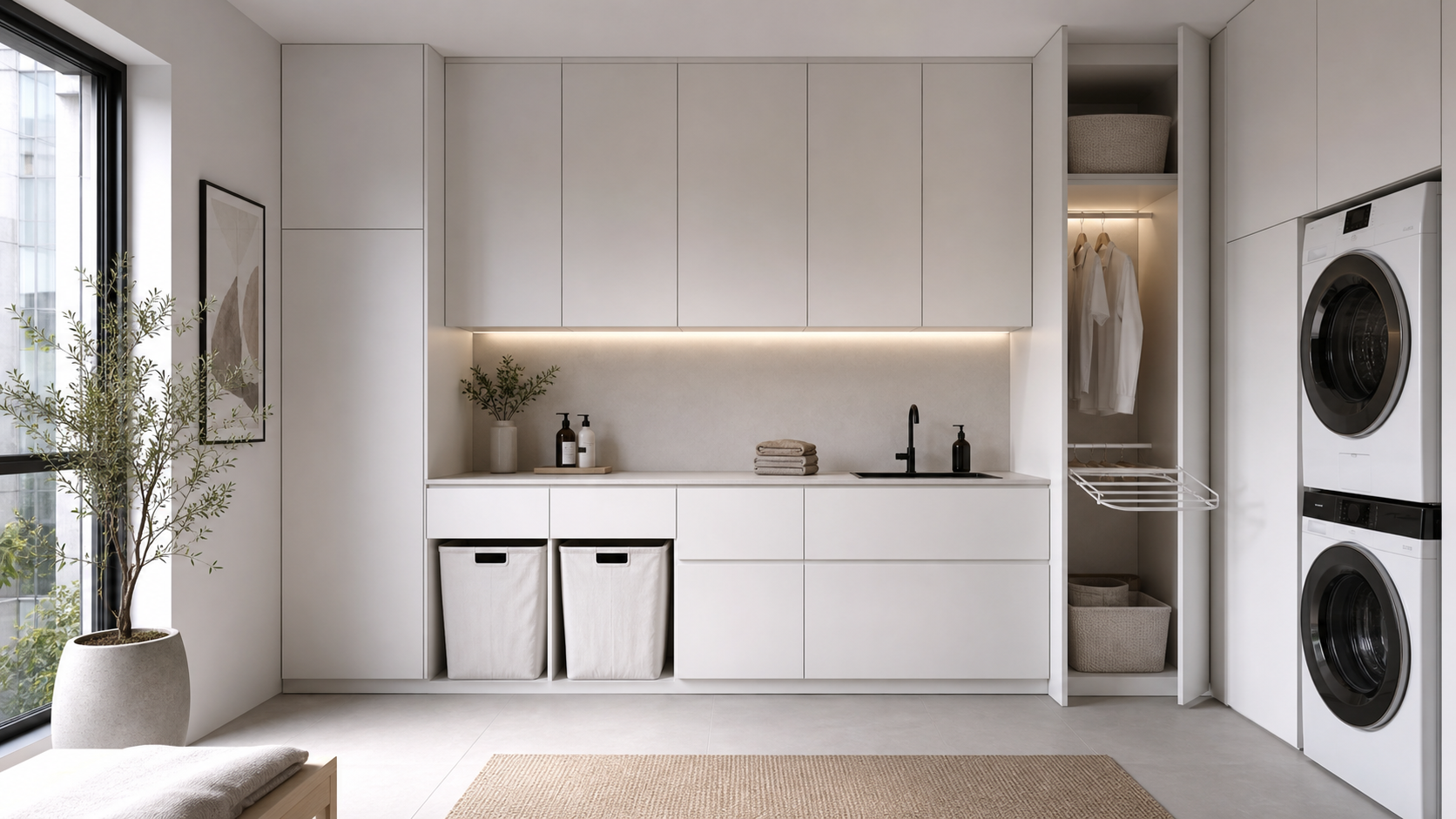
Why Minimalism Is Transforming Laundry Room Design
The modern home has experienced a significant shift toward simplicity, functionality, and intentional living. As people increasingly seek ways to reduce stress and create more organized environments, minimalist design has become one of the most influential trends in interior decorating. While living rooms, kitchens, and bedrooms often receive the spotlight when discussing minimalist interiors, laundry rooms may be among the spaces that benefit the most from this design philosophy. After all, the laundry room is a place where efficiency matters, organization is essential, and clutter can quickly become overwhelming. By embracing minimalist principles, homeowners can transform an ordinary utility space into a clean, calming, and highly functional part of the home.
Laundry rooms have evolved considerably over the years. No longer hidden away as purely practical spaces, they are increasingly viewed as extensions of the home’s overall design. Many now serve multiple functions beyond washing and drying clothes. They often double as mudrooms, storage centers, pet-care stations, and household organization hubs. As responsibilities accumulate, so does clutter. Detergents, cleaning supplies, baskets, ironing boards, and miscellaneous household items can quickly make even a spacious laundry room feel chaotic. Minimalist design offers a solution by focusing on what is truly necessary and eliminating everything that does not contribute to the room’s purpose.
A minimalist laundry room is not empty or sterile. Instead, it is carefully curated to support daily routines while maintaining a sense of order and visual calm. Clean lines, hidden storage, neutral color palettes, and thoughtful organization create a space that feels larger, brighter, and more enjoyable to use. The result is not only a more attractive room but also a more efficient and stress-free household environment.
A: Remove unused items, add closed storage, use matching containers, keep counters clear, and give every item a home.
A: Simple colors, clean lines, hidden storage, clear surfaces, and practical design choices.
A: White, cream, beige, greige, soft gray, light wood, charcoal, and muted earth tones work well.
A: Yes, but only for neat, matching, useful items that are easy to keep organized.
A: Stacked machines save floor space, while side-by-side machines allow a folding counter.
A: Use pull-out hampers, cabinet compartments, bench storage, or tall laundry drawers.
A: Yes, add wood accents, woven baskets, warm lighting, and soft neutral colors.
A: Recessed lights, under-cabinet lights, slim LEDs, and simple ceiling fixtures work well.
A: Removing too much storage and creating a room that looks clean but cannot handle real laundry needs.
A: Restock neatly, remove unused products, reset counters after each load, and maintain simple storage zones.
The Connection Between Minimalism and Organization
At its core, minimalism is about intentionality. Every item in a minimalist space serves a purpose, whether practical, aesthetic, or both. This philosophy naturally aligns with the goals of an organized laundry room. When clutter is reduced and storage systems are carefully planned, the room becomes easier to navigate, maintain, and enjoy.
One of the biggest challenges in laundry room design is managing the wide variety of items that tend to accumulate there. Detergents, stain removers, fabric softeners, dryer sheets, cleaning tools, and laundry baskets all require storage. Without a clear organizational strategy, these necessities often end up scattered across countertops and shelves. Minimalist design addresses this issue by creating designated spaces for every item and encouraging homeowners to keep only what they truly need.
The visual impact of organization should not be underestimated. A clutter-free laundry room feels instantly larger and more inviting. Clear surfaces create a sense of openness that allows architectural features, materials, and lighting to stand out. This simplicity contributes to a calmer atmosphere that makes routine chores feel less burdensome.
Organization also improves efficiency. When everything has a designated location, tasks can be completed more quickly and with less frustration. Instead of searching for supplies or clearing clutter before folding clothes, homeowners can focus on the task at hand. This streamlined experience is one of the most valuable benefits of a minimalist laundry room.
Start with a Simple and Functional Layout
The foundation of every successful minimalist laundry room is a well-planned layout. Even the most beautiful materials and carefully selected colors cannot compensate for a room that functions poorly. Minimalist design places a strong emphasis on efficiency, making layout planning one of the most important steps in the design process.
The arrangement of appliances should support a logical workflow. The washer and dryer should be positioned to allow comfortable loading and unloading while maintaining clear access to surrounding storage and work surfaces. In larger rooms, placing a folding counter adjacent to the dryer minimizes unnecessary movement and improves convenience.
For smaller spaces, vertical solutions often provide the greatest benefits. Stacked washer and dryer units free up valuable floor space that can be used for cabinetry, shelving, or folding stations. Compact layouts can still feel highly functional when every inch is used thoughtfully and intentionally.
Open space is another important consideration. Minimalist design values visual breathing room, so avoiding overcrowded layouts helps maintain the room’s sense of calm. Even in compact laundry rooms, preserving a clear pathway and reducing unnecessary furnishings can significantly improve both appearance and functionality.
Choosing a Minimalist Color Palette
Color plays a critical role in shaping the atmosphere of a minimalist laundry room. Because minimalist design focuses on simplicity and visual clarity, color palettes are typically restrained and cohesive. The goal is to create an environment that feels bright, clean, and relaxing while supporting the room’s practical purpose.
White remains one of the most popular choices for minimalist interiors. Its ability to reflect light makes spaces feel larger and more open, which is particularly valuable in laundry rooms that may lack natural light. White walls and cabinetry also reinforce the sense of cleanliness associated with freshly laundered clothing.
Soft neutral tones offer another excellent option. Shades such as beige, greige, light gray, and warm ivory introduce subtle warmth without compromising the minimalist aesthetic. These colors create inviting environments that feel comfortable rather than stark. Their versatility also allows them to pair easily with a wide range of materials and finishes.
Muted nature-inspired colors can add personality while preserving simplicity. Soft sage green, pale blue, and gentle clay tones provide visual interest without overwhelming the space. The key is selecting colors that support the room’s overall sense of calm and cohesion.
Hidden Storage Is the Secret to a Clutter-Free Space
One of the defining characteristics of minimalist design is the ability to keep clutter out of sight. Hidden storage solutions are therefore essential for creating a laundry room that remains clean, organized, and visually appealing over time.
Closed cabinetry is one of the most effective storage tools available. By concealing detergents, cleaning products, and household supplies behind cabinet doors, homeowners can maintain a streamlined appearance while ensuring that essential items remain easily accessible. Floor-to-ceiling cabinets maximize storage capacity while contributing to a built-in, custom-designed look.
Pull-out storage systems provide additional functionality. Hidden hampers, sliding shelves, and pull-out baskets allow homeowners to organize supplies efficiently without sacrificing visual simplicity. These features help maintain clear countertops and prevent clutter from accumulating.
Even smaller storage solutions can make a significant difference. Drawer organizers, labeled containers, and dedicated compartments encourage consistency and help maintain order. The more intentional the storage system, the easier it becomes to preserve the minimalist aesthetic over time.
Streamlined Cabinetry Creates a Modern Look
Cabinetry is often the largest visual element in a laundry room, making its design particularly important in minimalist interiors. Clean lines, simple forms, and understated finishes help create the sleek and organized appearance that defines minimalist spaces.
Flat-panel cabinet doors are a favorite choice because they eliminate unnecessary ornamentation and create smooth, uninterrupted surfaces. This simplicity contributes to a modern aesthetic while reducing visual clutter. Many homeowners further enhance the look by choosing handleless cabinetry or integrated pulls that blend seamlessly into the design.
Cabinet color also plays an important role. White, light gray, and natural wood finishes are among the most popular options because they support the room’s overall sense of openness and simplicity. These finishes feel timeless and adaptable, allowing the space to remain stylish for years to come.
The beauty of streamlined cabinetry lies in its ability to combine form and function. Behind clean exterior surfaces, homeowners can incorporate customized storage systems that support their unique needs while preserving the room’s uncluttered appearance.
Minimalist Open Shelving Done Right
Open shelving often sparks debate within minimalist design circles. While excessive open storage can create visual clutter, carefully executed shelving can enhance both functionality and style when used thoughtfully.
The key to successful minimalist shelving is restraint. Rather than filling shelves with numerous decorative items, homeowners should focus on displaying only a small number of carefully selected essentials. Woven baskets, glass jars, neatly folded towels, and coordinated storage containers can create a polished appearance while remaining practical.
Consistency is equally important. Matching containers and cohesive color palettes help maintain visual order. When objects share similar materials, shapes, or colors, shelves appear intentional rather than cluttered. This approach allows homeowners to enjoy the accessibility of open storage without sacrificing simplicity.
Open shelving also offers opportunities to introduce warmth and texture. Natural wood shelves, in particular, provide contrast against white walls and cabinetry while contributing to the inviting atmosphere that many minimalist spaces strive to achieve.
Lighting That Supports a Clean and Open Atmosphere
Lighting is one of the most powerful design tools available in a minimalist laundry room. Proper illumination enhances functionality while reinforcing the room’s sense of openness and cleanliness.
Natural light is particularly valuable because it brightens the space and creates a connection to the outdoors. Large windows, skylights, and glass doors allow sunlight to highlight textures and materials while making the room feel larger and more welcoming. Whenever possible, homeowners should maximize natural light as part of their minimalist design strategy.
Artificial lighting should complement the room’s simplicity. Recessed lighting provides excellent illumination without introducing visual clutter. Under-cabinet lighting improves visibility for folding and sorting tasks while adding subtle sophistication.
Light color temperatures generally work best in minimalist spaces. Soft white and neutral white lighting create bright yet comfortable environments that support both productivity and relaxation. Combined with reflective surfaces and light color palettes, effective lighting contributes significantly to the room’s overall appeal.
Natural Materials Add Warmth Without Clutter
One of the misconceptions about minimalist interiors is that they must feel cold or impersonal. In reality, natural materials often play a central role in creating inviting minimalist spaces. They add warmth, texture, and visual interest while maintaining simplicity.
Wood is particularly effective in laundry rooms. Open shelving, countertops, cabinetry accents, and decorative details crafted from natural wood introduce organic beauty that softens the room’s clean lines. Light wood species such as oak and maple work especially well because they enhance brightness while adding subtle character.
Stone-inspired surfaces also contribute elegance and durability. Quartz countertops with gentle veining provide visual depth without overwhelming the design. These materials support the minimalist emphasis on quality and longevity.
Natural fibers can further enhance the room’s comfort. Woven baskets, linen curtains, and simple area rugs introduce texture while serving practical functions. These elements create a balanced environment that feels both refined and welcoming.
Maintaining a Minimalist Laundry Room Over Time
Designing a minimalist laundry room is only the first step. Maintaining its clean and clutter-free appearance requires ongoing attention and intentional habits. Fortunately, minimalist design makes maintenance easier by encouraging simplicity and organization from the beginning.
Regular decluttering is essential. Homeowners should periodically evaluate supplies, discard expired products, and remove items that no longer serve a purpose. This practice prevents unnecessary accumulation and helps preserve valuable storage space.
Establishing routines can also support long-term organization. Returning items to their designated locations after use, keeping countertops clear, and addressing clutter before it grows into a larger problem all contribute to maintaining the room’s minimalist character.
The greatest advantage of a minimalist laundry room is that it naturally encourages these habits. Because the space is designed around simplicity and efficiency, maintaining order becomes easier and more intuitive. Over time, the room continues to function as intended while remaining visually appealing.
Conclusion: Simplicity Creates a Better Laundry Experience
Minimalist laundry room ideas offer far more than aesthetic appeal. They provide practical solutions for creating cleaner, more organized, and more functional spaces that enhance everyday life. Through thoughtful layouts, hidden storage, streamlined cabinetry, restrained color palettes, and intentional design choices, homeowners can transform even the most ordinary laundry room into a space that feels calm, efficient, and inviting.
The appeal of minimalism lies in its ability to remove distractions and focus attention on what truly matters. In a laundry room, that means creating an environment where chores can be completed with greater ease and less stress. Clear surfaces, organized storage, and purposeful design contribute to a sense of order that benefits the entire household.
As homeowners continue seeking ways to simplify their lives and improve their living environments, minimalist laundry room design remains one of the most effective strategies available. By embracing the principle that less can often be more, it becomes possible to create a space that is not only beautiful but also highly functional. The result is a clean and clutter-free home where every detail supports comfort, efficiency, and lasting satisfaction.